
Essential Guide to Generator Protection: Noise, Weather, and Security
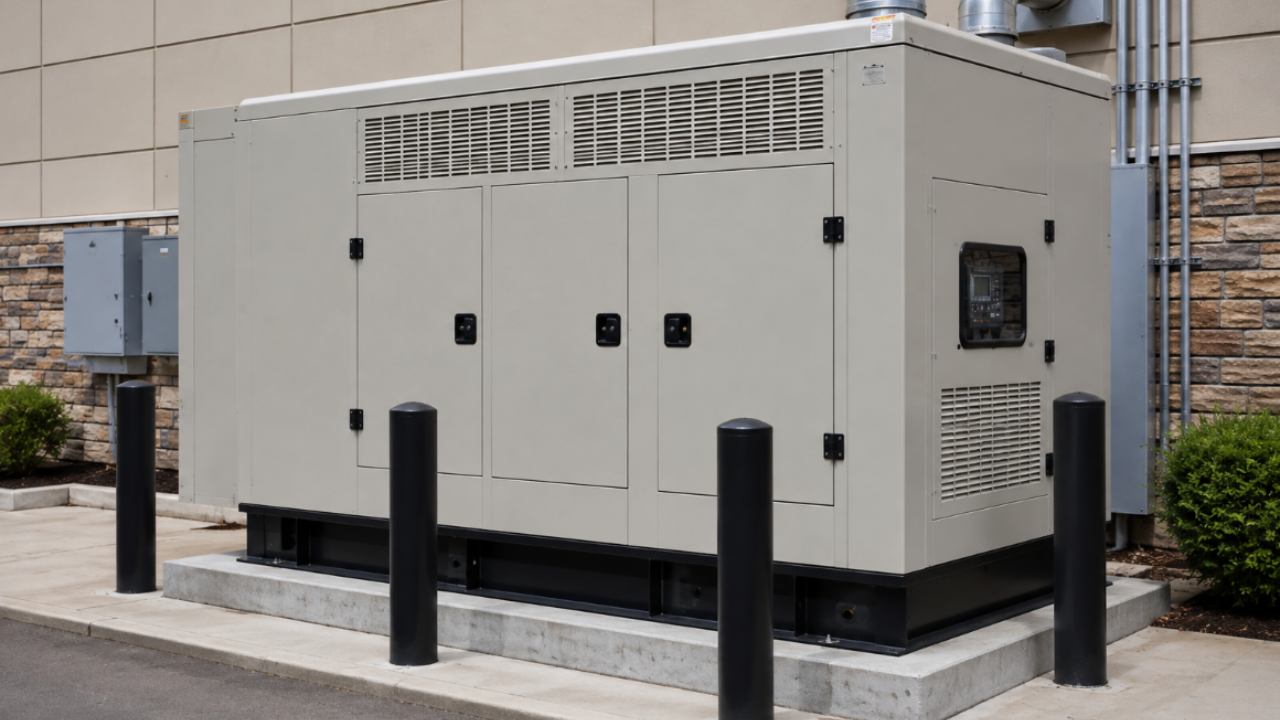
A generator can be protected from rain and still create noise complaints, security risks, or cooling problems. Water intrusion, tampering, or restricted cooling can quickly affect how reliably the equipment operates. In this context, generator protection means controlling excessive noise, environmental exposure, and unauthorized physical access without sacrificing cooling, ventilation, or service access.
The Three Areas of Generator Protection
Effective protection for generator installations addresses three separate risks: noise, weather and environmental exposure, and physical security. Noise can affect nearby occupants and compliance with applicable sound limits, while moisture, corrosion, heat, and UV exposure can shorten equipment or enclosure life. Physical security controls who can reach the generator, fuel, controls, and components. The enclosure has to handle all three without creating problems for generator operation.
Noise Control and Generator Protection
Generator noise can travel through enclosure walls, doors, ventilation openings, intake paths, discharge paths, and the exhaust system. Treating only the solid wall surfaces leaves several sound paths open, especially where the generator requires large volumes of cooling air. A properly designed sound attenuated generator enclosure addresses both the enclosure shell and the openings that must remain functional.
Acoustic panels, acoustical louvers, silencers, treated access doors, and properly coordinated exhaust components can reduce the amount of generator sound reaching surrounding areas. Generator size, site layout, operating conditions, and applicable sound criteria determine how much acoustic treatment the installation needs. Done correctly, that treatment can help meet project noise requirements and reduce complaints from nearby occupants or properties.
Protect Airflow While Controlling Noise
Acoustic treatment also has to account for the generator's airflow requirements. Intake and discharge components should control sound without creating unnecessary resistance to cooling or combustion air.
Protecting Generators From Weather and Environmental Exposure
Weather protection starts with controlling water entry, drainage, corrosion, heat, and UV exposure across the entire enclosure. Rain can enter around seams, doors, joints, thresholds, and ventilation openings, especially when wind drives water horizontally rather than straight down. A weatherproof generator enclosure has to limit water entry at those locations and direct any water away from vulnerable areas.
Weather resistance depends on the details: sealed seams, appropriate gasketing, protected openings, drainage, and durable exterior materials. Corrosion-resistant materials and compatible hardware are especially important where humidity, salt, industrial contaminants, or repeated wetting can attack exposed surfaces. Exterior coatings also need enough durability to withstand sun and UV exposure over the expected service life.
Maintain Cooling While Limiting Water Entry
A generator produces substantial heat during operation, so its enclosure still needs properly designed intake and discharge airflow. Those openings have to move enough air to maintain acceptable operating temperatures while limiting water entry.
What NEMA and IP Ratings Tell You
NEMA enclosure types and IEC IP codes describe enclosure protection in different ways. They are useful when a project calls for a specific enclosure type or documented level of ingress protection.
Those classifications do not by themselves establish that an enclosure has adequate cooling airflow, effective sound control, convenient maintenance access, or the right configuration for a particular site. NEMA enclosure types and IP codes are therefore useful specification tools rather than substitutes for enclosure design.
Physical Security for Generator Installations
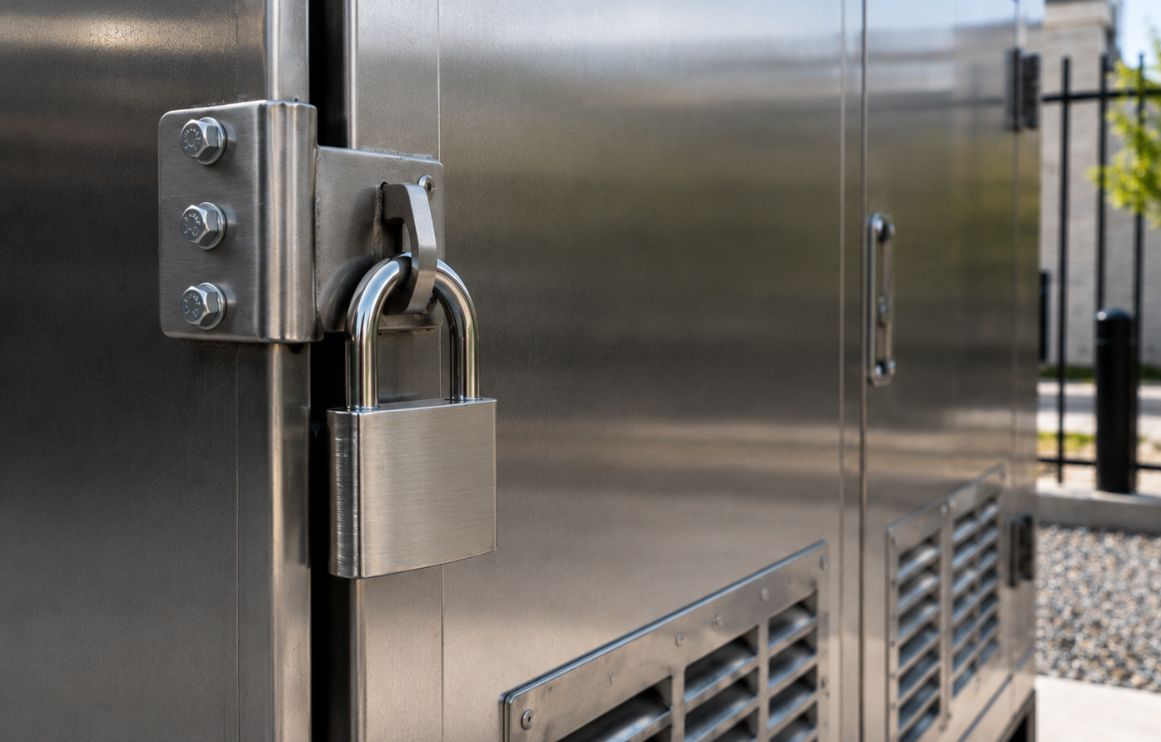
Physical generator security starts by controlling access to the enclosure and the points that expose equipment, fuel, controls, or components. An enclosure can still leave removable panels, fuel-system access points, ventilation openings, or exposed components within reach. The design should secure vulnerable access points without making legitimate inspection and maintenance unnecessarily difficult.
Lockable doors and panels can restrict casual access to equipment, but the design should also account for any fuel connections, controls, removable panels, batteries, or other components that remain accessible from outside the secured equipment area. The access-control plan should also account for fuel and component theft. Where a project requires a formal level of physical security, the enclosure, doors, panels, and ventilation openings should be specified to that requirement rather than assuming a standard lock provides sufficient protection.
Protect Airflow Openings
Security also has to coexist with airflow. Security silencers show how an air path can combine acoustic treatment with a physical barrier. Generator applications require their own project-specific design, but airflow openings can still incorporate security rather than being left exposed simply because air needs to move through them.
Balancing Protection With Airflow and Cooling
The hardest part of generator protection is often the interaction between protective features. Closing an opening may improve resistance to weather or unauthorized access, yet that same change can reduce cooling airflow. Acoustic louvers and silencers also have to be selected for both sound attenuation and pressure drop through the ventilation path.
Security can create similar conflicts. A heavier door or additional barrier may improve access control, then make routine inspection or component replacement more difficult. Weather protection creates its own access concerns when drainage paths are blocked or maintenance personnel cannot reach areas that need periodic inspection.
Start With Generator Operating Requirements
Enclosure design should begin with the generator's operating requirements. Airflow, heat rejection, combustion air, service clearances, and exhaust routing establish the constraints that acoustic, weather, and security features have to respect.
What to Evaluate Before Specifying a Generator Enclosure
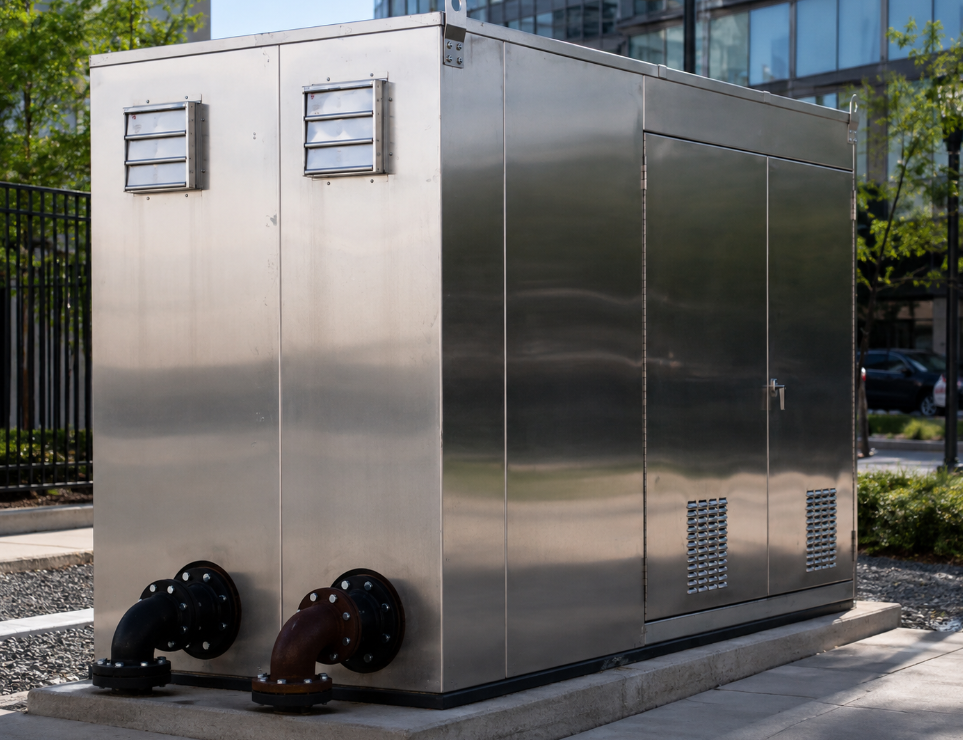
A generator enclosure has to be evaluated as a complete operating system. Start with the site conditions and the generator manufacturer's requirements. Checking those conditions together can expose conflicts before fabrication or installation begins.
For practical generator protection, review the following points before approving an enclosure design:
- The project noise target and any applicable property-line or jurisdictional sound limits
- Required intake, combustion, cooling, and discharge airflow
- Rain, wind, humidity, heat, UV, salt, or other environmental exposure
- Drainage paths, seams, joints, doors, and ventilation openings
- Material and finish requirements for long-term corrosion resistance
- Access to controls, fuel systems, filters, service panels, and removable components
- Risks from unauthorized access, tampering, or theft
- Maintenance clearances and the ability to remove or replace major components
- Any project-specific NEMA, IP, or security requirements
The checklist is especially useful when an enclosure is being added to an existing generator or modified after installation. Retrofitting one feature in isolation can change airflow, sound performance, drainage, or access. Reviewing the complete system before making the change reduces that risk.
Coordinate Generator Enclosure Design With Dynasonics
Dynasonics provides custom generator enclosure and noise-control solutions designed around project-specific acoustic, airflow, access, structural, and environmental requirements. Coordinating those factors early can help prevent one enclosure feature from undermining another part of the installation. Contact us today for more information.