
Best Material For Generator Enclosure: What Actually Makes Sense For Your Site
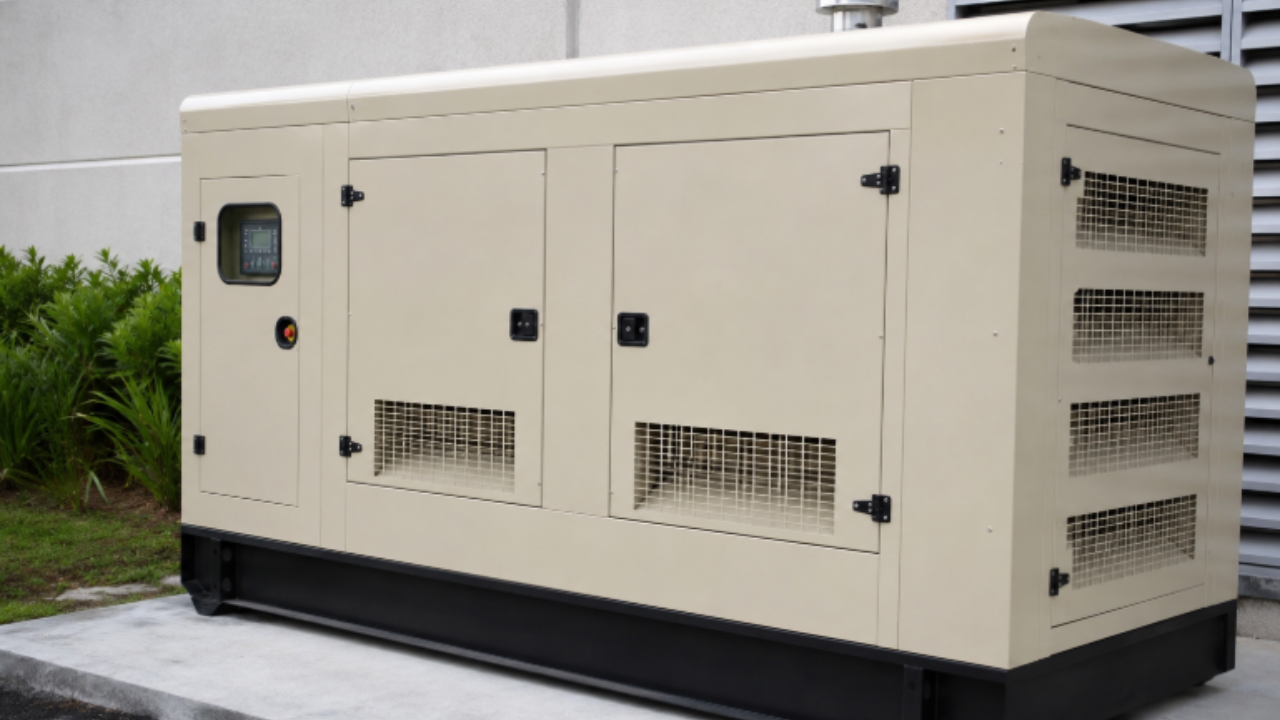
The best material for a generator enclosure often depends on the specific needs of the project. A unit sitting near salt air, humidity, and constant weather exposure does not face the same pressures as a generator behind an inland warehouse or inside a more controlled industrial yard. Steel, aluminum, and composite-style materials all come up for good reasons, and the right pick depends on exposure, maintenance burden, and how the enclosure has to balance airflow, access, and noise control.
How To Choose The Best Material for a Generator Enclosure
The material decision starts with what the enclosure has to handle once it is in service.
Why Steel Still Starts The Conversation
When people ask for the best material for a generator enclosure, steel usually comes up first for a reason. It is a familiar fabrication material, it supports rigid enclosure construction, and it fits the way many commercial and industrial enclosure projects are built. Outdoor performance is where steel choices start to separate, because finish strategy and corrosion protection matter once the enclosure moves into weather, industrial exposure, or long service cycles.
Practical enclosure details shape that result too, especially in areas that see repeated service contact, such as:
- panel joints
- hardware locations
- access doors
- high-touch maintenance areas
Steel also works well in enclosure designs that need a strong structural shell around a more robust noise-control package. That advantage still depends on the overall design, because sound performance is shaped by the full assembly, including acoustical louvers, duct silencers, mufflers, and access components, not by shell material alone.
Where Aluminum Makes More Sense
Aluminum starts making more sense when weight, corrosion resistance, and long-term exposure move higher on the priority list. That matters in outdoor installations where constant moisture can wear on the enclosure and where lower panel weight can help with shipping, lifting, and support conditions. In practical terms, aluminum can be a smart direction for sites where rust pressure is a bigger concern than maximum shell mass.
That does not make it an automatic answer in every corrosive setting. In chloride-heavy exposure, alloy choice, finish strategy, and exact service conditions still need a closer review before aluminum moves to the top of the list.
The tradeoff with aluminum is that you still have to think through structural behavior, cost, and the rest of the enclosure design. Lower weight helps in some applications, but a generator enclosure still has to manage access points, ventilation openings, acoustic hardware, and whatever structural demands come from the installation.
When Composite Materials Are Worth Considering
Composite-style materials, including fiberglass-reinforced options, are usually the specialty part of this conversation. They are not the default answer for every generator enclosure project, but they can be worth looking at when corrosion resistance is the main headache. That usually comes up where recurring exposure makes metal upkeep harder to justify over the long term.
The reason composite options stay more specialized is that generator enclosures are not judged on rust resistance alone. They still have to handle access, serviceability, structural expectations, enclosure size, and acoustic integration, so a composite shell has to fit the full design instead of replacing it. The same practical logic applies across custom equipment enclosures, where material choice has to support airflow, access, maintenance, and long-term operating conditions rather than one isolated performance trait.
Why Material Choice Affects More Than Durability
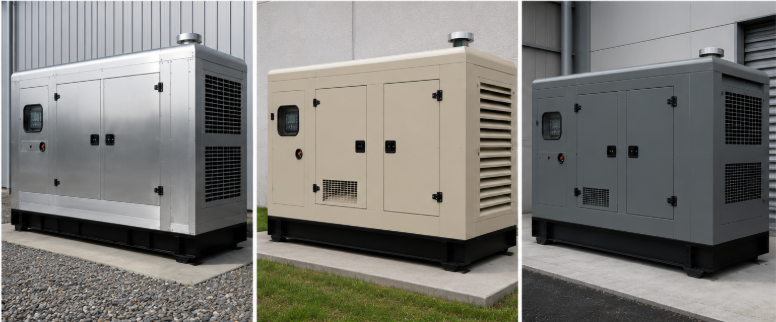
Durability matters, but generator enclosure performance is also shaped by airflow and acoustics.
How Shell Material Fits Into Noise Control
Generator acoustics are where the material discussion gets more complicated. Material choice can influence enclosure stiffness, durability, and how the shell supports the acoustic package, but the enclosure still has to be designed so the material, airflow path, and acoustic components work together.
That becomes easier to see once you look at the main sound paths:
- the enclosure shell
- intake and discharge openings
- service penetrations
- exhaust paths
- weak points in the enclosure layout
That system view matters because many of the biggest sound paths sit at openings, exhaust paths, and access points rather than in the panel material alone. It is especially important in generator enclosures, where intake air, discharge air, exhaust treatment, and service access all shape the final layout. That is why the best material for generator enclosure conversation cannot stop at steel versus aluminum versus composite. The real decision is whether the site calls for rigidity, corrosion resistance, or a more specialized material approach, then building the enclosure around the airflow, access, and acoustic demands that follow.
Match The Enclosure Material To The Site
Site conditions usually settle the material question faster than abstract pros-and-cons tables.
Inland And Structurally Demanding Installations
A simple way to apply that in the field is to match the material conversation to the site conversation. If the project is inland, structurally demanding, and needs a rugged enclosure platform with the right protective finish, steel may stay at the top of the list. In practice, the best material for generator enclosure often changes by site more than by generator brand, so the better question is what the enclosure will face every day and what the facility can realistically maintain over time.
Coastal, Washdown, And Corrosive Conditions
In coastal, washdown, and corrosive settings, the better starting point is to define what is really driving the exposure. Salt air, direct spray, chemical contact, and repeated cleaning cycles do not all punish the enclosure the same way. That is why some sites stay in the aluminum conversation, while others point toward a broader material review based on maintenance demands, structural needs, and service conditions.
A practical review usually comes back to four pressure points:
- realistic site maintenance capacity
- corrosion resistance versus structural durability
- required acoustic control once airflow and access are built in
- dominant exposure over the enclosure life
If you are still weighing the best material for a generator enclosure, those questions usually lead to the same order of review: start with exposure, then look at maintenance expectations, then consider structural needs, and finally check how the material choice fits the noise-control and airflow strategy. That sequence keeps the decision from getting distorted by one appealing trait, because a corrosion-resistant material may still create tradeoffs in structure or cost, while a rugged metal shell may still need more attention in a harsh environment.
Work With Dynasonics On The Right Enclosure Design
Dynasonics can help you evaluate material tradeoffs alongside ventilation, access, and sound-control requirements so the enclosure fits the job instead of only checking one box. Early coordination usually leads to a cleaner design path and fewer compromises once fabrication and installation details come into focus. Contact us today for more information.
Frequently Asked Questions About Generator Enclosure Materials
Is Steel Or Aluminum Better For A Generator Enclosure?
Steel often makes sense when rigidity, fabrication familiarity, and a strong structural shell matter most. Aluminum becomes more attractive when lower weight and corrosion resistance move higher on the priority list, although chloride-heavy environments still need closer review.
What Is The Best Material For Generator Enclosure In Coastal Areas?
There is no automatic answer for every coastal site. Salt exposure, direct spray, maintenance expectations, alloy choice, finish strategy, and the rest of the enclosure design all affect which material makes the most sense.
Are Composite Generator Enclosures Better Than Metal?
Not across the board. Composite-style materials can make sense where recurring corrosion makes metal upkeep harder to justify, but they still have to meet the enclosure’s structural, service, airflow, and acoustic demands.
Does Enclosure Material Affect Generator Noise Control?
Yes, but it is only part of the answer. Shell material can influence stiffness and how the enclosure supports the acoustic package, while overall sound performance also depends on openings, exhaust paths, airflow design, and access points.
How Should Facility Managers And Contractors Start Comparing Materials?
Start with exposure conditions, then look at maintenance expectations, structural needs, and acoustic requirements. That sequence usually gives a better answer than choosing a material based on one appealing trait alone.